
Car buying
What a Vehicle History Report Can—and Cannot—Tell You
Learn how to read a vehicle-history report, investigate gaps or unfamiliar entries, and combine the records with a recall check and inspection.
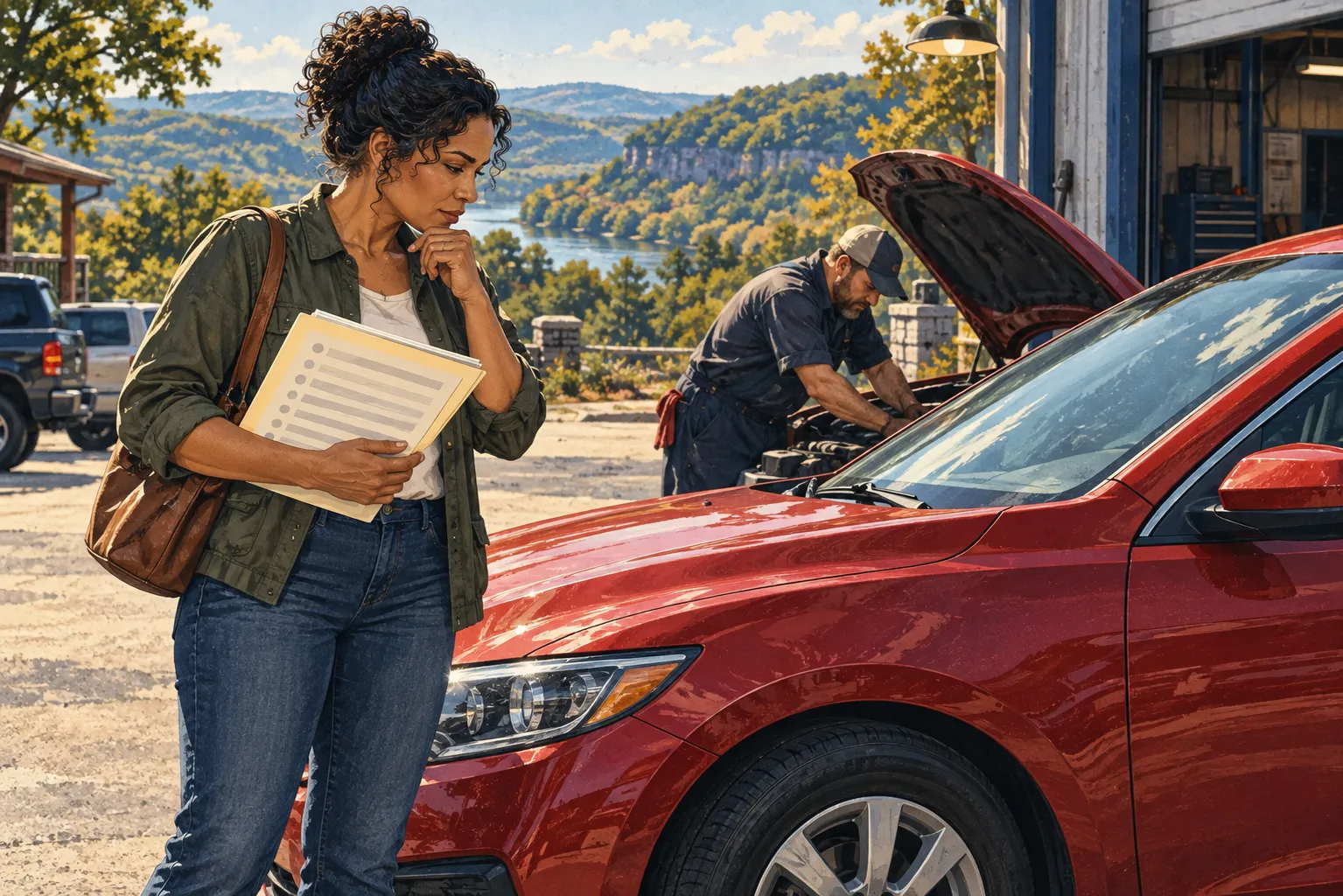
A vehicle-history report can be a useful piece of a used-car purchase. It can also create false confidence if you treat it as a guarantee about everything that has ever happened to the vehicle.
The best way to use a report is as a question list. Confirm the vehicle's identity, read the information in context, and investigate anything that could affect your decision. Then evaluate the car itself.
Start by matching the vehicle
Check that the VIN on the report matches the vehicle and the purchase documents. A detailed report for a different car is still the wrong report.
Look at when the report was produced and where it came from. If you are purchasing one yourself, use an established provider and understand what its product covers. The federal NMVTIS site provides information about its reporting system and approved consumer access providers. Start with the NMVTIS consumer information.
Keep a copy of the report you relied on, along with your notes and any explanations you receive.
Understand the type of information provided
NMVTIS reports focus on information such as title history, certain title brands, odometer data, and reported salvage or total-loss history. Other commercial reports may include additional records. Different products do not necessarily contain the same information.
The system is a source of reported records, not a complete account of every repair, accident, or service visit. Review the NMVTIS consumer product information to understand the scope and limitations of that type of report.
If the report lists an event, ask what it means and what supporting documents are available. Avoid treating a brief label as a full explanation of a repair's scope or quality.
Pay attention to the timeline
Read the report in order rather than looking only for a prominent summary box. Make note of mileage entries, ownership or title changes, and events that need clarification.
A gap in records can have more than one explanation. It does not automatically prove a problem, and it does not establish that nothing happened. Ask what additional documentation is available instead of filling in the missing story yourself.
If you encounter a title brand or an unfamiliar term, stop and understand it before deciding. Ask how it may affect insurance, financing, resale, or the purchase you are considering. Get answers from the appropriate provider rather than assuming one seller's explanation covers every consequence.
Use a separate safety-recall check
Search the VIN through NHTSA's recall lookup. If a recall appears, read the manufacturer's instructions and ask an authorized service provider about the next step. Do not assume that a vehicle-history report contains the latest recall status or that a clean summary replaces a direct check.
Save what you find so you can ask a focused question instead of trying to remember a recall description later.
Still arrange a physical evaluation
A history report cannot listen to the engine, measure a brake component, or assess a repair in person. Ask about an independent inspection and tell the mechanic what the report raised for you.
For example, if a record mentions collision damage, an inspection can help evaluate the present condition and identify areas needing further investigation. If no event is listed, the mechanic can still evaluate the vehicle's current condition without assuming the report has answered that question.
A useful purchase decision combines the available records, a normal test drive, a professional assessment, and clear written terms. If you are considering an Auto Credit vehicle, call (870) 508-6080 to ask what history and service information is available for that specific car.
JOIN THE CONVERSATION
What did you think?
One reaction per browser. Select your reaction again to remove it.
Loading the conversation…
Comments