
Car buying
Mileage or Age: What Matters More in a Used Car?
Compare age and mileage in context with maintenance records, present condition, and your expected driving instead of relying on one number.
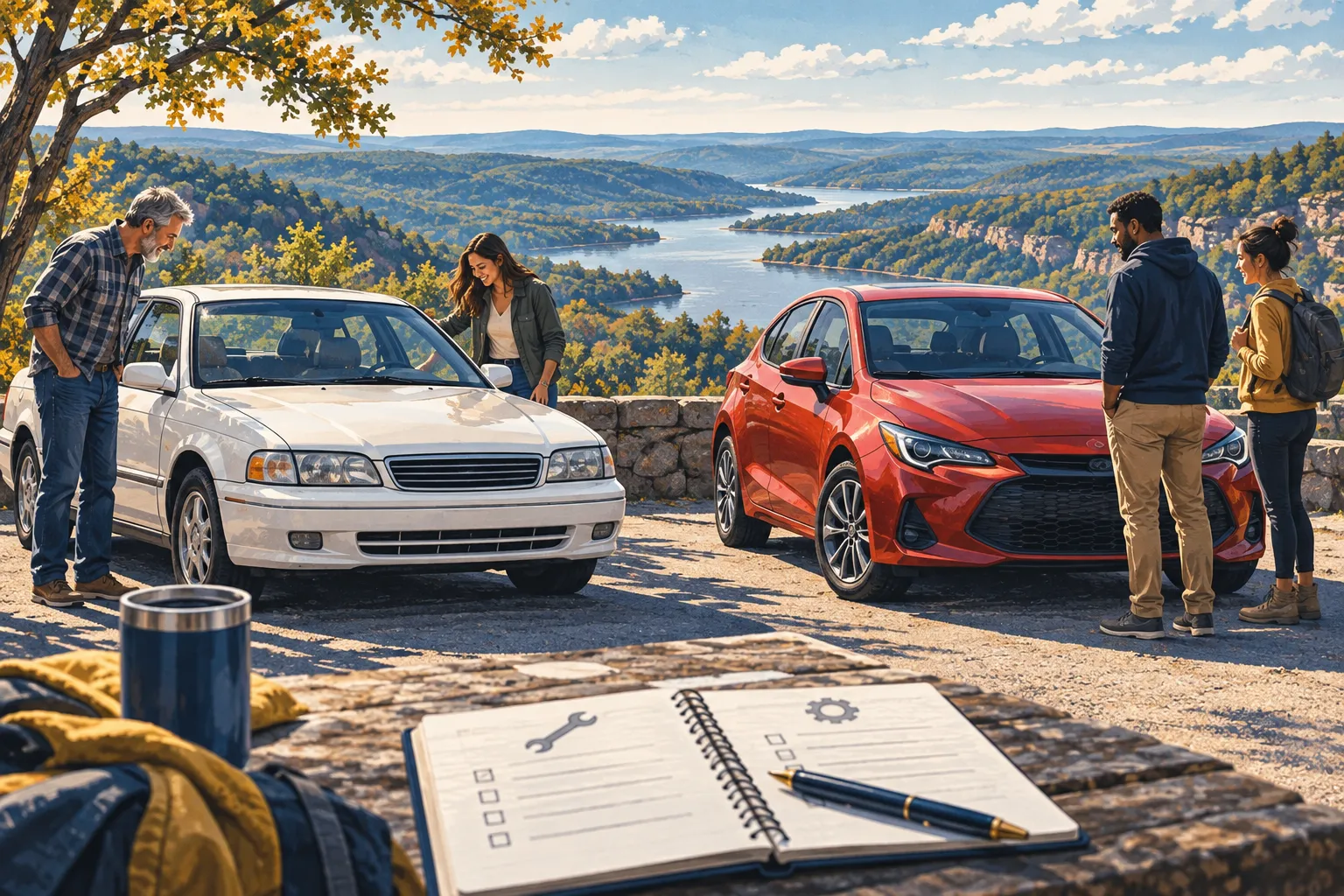
It is tempting to sort used cars by mileage and assume the first vehicle on the list is the best choice. It is just as tempting to choose the newest model year you can afford. Both numbers are useful. Neither tells the whole story.
A used vehicle has a history of use, storage, maintenance, and repairs. Your task is to understand that history well enough to evaluate the individual car, rather than asking one number to make the decision for you.
Mileage starts a conversation
An odometer reading tells you how far the vehicle has traveled, assuming the reading is accurate. It does not tell you exactly how those miles were accumulated, how the car was maintained, or what condition it is in today.
Ask about the available records and look for a consistent timeline. A description such as “mostly highway miles” should lead to a question about what supports that statement, not automatically end the discussion.
Avoid a universal cutoff that labels every car below one mileage “good” and every car above it “bad.” Consider what the manufacturer recommends at the vehicle's current age and mileage, and what maintenance has already been documented.
Age raises different questions
A vehicle can have relatively few miles and still require attention. Time passes for tires, batteries, seals, fluids, and other components even when the odometer moves slowly. Storage conditions and the pattern of use also deserve discussion.
For example, NHTSA notes that tires become more prone to failure as they age and advises following vehicle and tire manufacturers' replacement recommendations. That is one reason tire condition cannot be judged by mileage alone. Read NHTSA's tire guidance.
You do not need to inspect every component yourself. Ask a qualified mechanic what the vehicle's age makes important to check.
Compare the next chapter, not just the last one
Imagine two hypothetical vehicles at similar prices. One is newer with more miles and organized service records. The other is older with fewer miles but little documentation. Neither wins automatically.
For each vehicle, ask:
- What does an independent inspection identify as needing attention now?
- Which scheduled services are approaching?
- What documentation is available for previous maintenance?
- How does the vehicle perform during a normal test drive?
- What would the near-term ownership plan look like?
An upcoming service can change the practical comparison. A lower purchase price may be less attractive if it leaves you unable to address work the vehicle needs soon.
Check history, then verify condition
A vehicle-history report can add context, but the information it contains depends on the records available to the reporting system. Use it to identify questions, then match the VIN and discuss anything that needs explanation.
The federal NMVTIS program recommends combining history information with an independent inspection and other available resources. Its buying tips explain that approach.
A clear report is not a physical examination of the car. A physical examination also does not document every event in the car's past. They answer different questions.
Choose with your intended use in mind
If you expect to drive many miles each year, discuss how that use interacts with upcoming maintenance and your budget. If the vehicle will mainly make short local trips, explain that, too. The right questions become more useful when they are tied to your actual plans.
At Auto Credit, start with the vehicles that meet your size and budget needs. Then compare the individual cars with the same questions. Mileage and model year belong on the checklist, alongside the evidence that helps you understand what you are buying.
JOIN THE CONVERSATION
What did you think?
One reaction per browser. Select your reaction again to remove it.
Loading the conversation…
Comments