
Car buying
Everyone Drives a Used Car: How to Choose One with Confidence
Find a used car that fits your life: set priorities, review its condition, compare the full cost, and ask clear questions before buying.
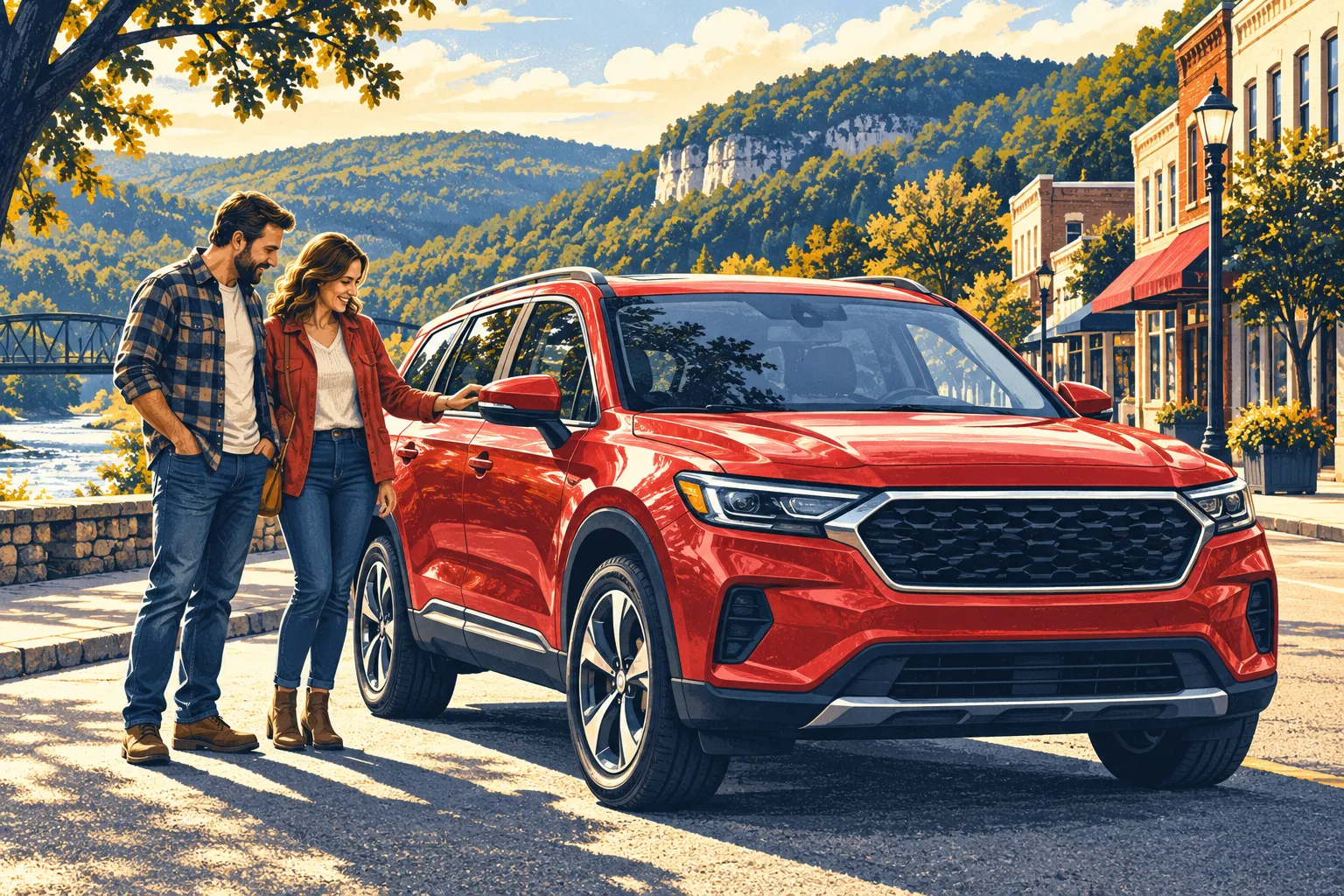
The right car has a job to do. It gets you to work before your shift starts, carries the groceries without a balancing act, and makes the school pickup line one less thing to worry about. Looking good in the driveway is a bonus. Working for your life is the point.
At Auto Credit, we like to remind people: REMEMBER, EVERYONE DRIVES A USED CAR. Once a vehicle starts serving its owner, the conversation becomes less about being first and more about choosing well. Here is how to make that choice with a clear head.
Start with an ordinary Tuesday
Before you scroll through inventory, write down what your car needs to handle on a normal weekday. How many people ride with you? How far is the commute? Do you carry tools, a stroller, or sports equipment? Is your parking space tight? Does anyone have trouble climbing into a tall vehicle?
Separate the answers into three groups: essential, helpful, and simply nice to have. A working parent who regularly carries three children has a different essential list from someone commuting alone. Neither list needs to impress anybody else.
Take the list with you. A sunroof can be fun, but it should not distract you from a back seat that does not fit your family.
Look at the individual vehicle
A model's reputation can help you build a shortlist, but you are buying one particular vehicle with its own history and condition. Treat the listing as a starting point for questions.
Walk around the car in good light. Check how the doors and hatch open, whether the seat adjusts comfortably, and whether you can see clearly from the driver's position. Try the features you will actually use. If the air conditioning, second-row access, or cargo opening matters to you, make time to evaluate it.
The FTC recommends an independent inspection before buying a used car, even when a vehicle has already been checked by the seller. Ask how you can arrange one and what records are available. Read the FTC's used-car guidance.
An inspection is also a chance to learn what ownership may require next. A routine service coming due is different from an unresolved problem, but both belong in your decision.
Set a spending limit you can live with
A vehicle can fit your driveway and still be a poor fit for your budget. Consider the payment alongside insurance, fuel, maintenance, and the cash needed at purchase. Get an insurance estimate for the actual vehicle before making your final decision.
Leave yourself room for the ordinary surprises of life. A budget that works only if every paycheck and every expense goes perfectly is a fragile plan.
If the numbers feel tight, consider a different vehicle, a different purchase timeline, or another financing option. Being willing to adjust is a strength, not a setback.
Give yourself a decision rule
After each vehicle you consider, answer four questions:
- Does it handle my essential daily needs?
- Do I understand its condition and the next likely maintenance steps?
- Do I understand the purchase and financing terms?
- Can I afford to own it without crowding out necessities?
A clear “yes” to those questions means more than somebody else's opinion about the badge on the hood. You deserve to understand what you are buying and feel comfortable asking for an explanation.
Start with Auto Credit's current inventory, then bring your real-life checklist to 3607 Highway 62 W in Mountain Home. We can talk through the vehicles you want to see and help you take the next step with better information.
JOIN THE CONVERSATION
What did you think?
One reaction per browser. Select your reaction again to remove it.
Loading the conversation…
Comments